Drive up onto the Altipiano on a Saturday morning and you will see the signs before you see the farms: a hand-painted board for eggs, a table of greens under an awning, a dairy counter with a queue of locals who already know what they want. Buying direct is not a secret handshake. It is a habit, built on a few simple moves: knowing what is in season, finding the right seller, and asking good questions without overcomplicating the transaction. This guide is for anyone who wants to shop that way — visitors, weekend residents, and newcomers who would rather put a name to their cheese than pick an anonymous package from a shelf.
Start with the seasonal calendar, not a shopping list
Direct buying works best when you let the farm set the menu. On the Altipiano, the growing year runs later than in the valley below, so spring greens and early herbs can still be on the table when lower ground is already moving into summer produce. Summer brings berries, soft fruit, and the first fresh cheeses from animals back on high pasture. Autumn is the richest season for many stands: pumpkins, apples, mushrooms, potatoes, and cheese with more depth and rind. Winter is quieter, but it is when stored roots, cured meats, honey, and aged dairy earn their place.
Instead of arriving with a fixed list, arrive with a rough plan and one question: “What is good this week?” A stand with twelve products from twelve places is a shop. A stand with three products from one place is often a farm. That difference matters more than any label on the board.
Ask what was picked, made, or turned this week
“This week” is a useful phrase because it moves the conversation away from vague claims and toward actual work. A producer who made cheese on Tuesday will tell you so. A grower who cut salad that morning will mention it without prompting. If the answer is hesitant, that is information too — not necessarily bad, but worth noticing.
Find the right kind of seller
Direct sale takes several forms on the Altipiano, and each has its own rhythm. Knowing which one you are walking into saves time and awkwardness.
- Farm stands and roadside tables. These are often small, seasonal, and self-service or semi-self-service. Hours can be short and change with the weather or the workload. Look for a clear sign, a price list, and a contact number.
- Mountain dairies and malghe. Expect cheese, butter, yogurt, and sometimes eggs or cured meat, depending on the farm. Opening times follow the animals and the milking schedule, not the visitor’s lunch break. Call or message before making a long drive.
- Weekly markets. Some stalls are producers selling their own output; others are resellers. Neither is dishonest, but you should know which you are buying from. Ask directly: “Do you produce this yourself?”
- Agriturismi and small cooperatives. Many sell by appointment or from a small counter alongside the dining room. A quick phone call is usually welcome and helps you avoid arriving during the lunch rush.
Know the direct-sale norms before you go
Direct sale in a small farming area is still a shop, but it is a shop with farm logic. Hours can be unpredictable because the same people who sell are the people who milk, pick, bake, or drive. A stand that is open at nine in the morning may be closed at noon. A dairy that is busy during the summer may have almost nothing to sell in February.
Bring your own bags, and in warm weather bring a cool box. Many small stands now accept cards, but not all do, and a little cash is sensible. Do not haggle over a jar of honey or a wedge of cheese; the price is usually calculated close to the work. If you are buying a large quantity for preserving or a family gathering, ask in advance whether it can be reserved.
Ask about ingredients if you have allergies or dietary concerns, and ask how the product should be stored. For serious health questions, speak to a qualified professional rather than relying on a market conversation.
How to read a farm stand and ask better questions
Labels help, but they are not the whole story. “Di nostra produzione” suggests the seller made or grew the product, while “km zero” is a broad claim about distance rather than a guarantee of method. “Organic” is a regulated term in many places, so if that matters to you, ask to see certification rather than assuming from a handwritten sign.
Five questions worth asking
- What did you harvest or make this week?
- Is this from your farm, or do you also sell products from elsewhere?
- How should I store it, and how long will it keep?
- Is there a smaller size or a mixed box I could try first?
- When will the next batch or the next season be ready?
These questions are specific, easy to answer, and they give you a real sense of the producer. They also signal that you are not just passing through. Farmers notice the difference.
Buy with the rhythm of the Altipiano
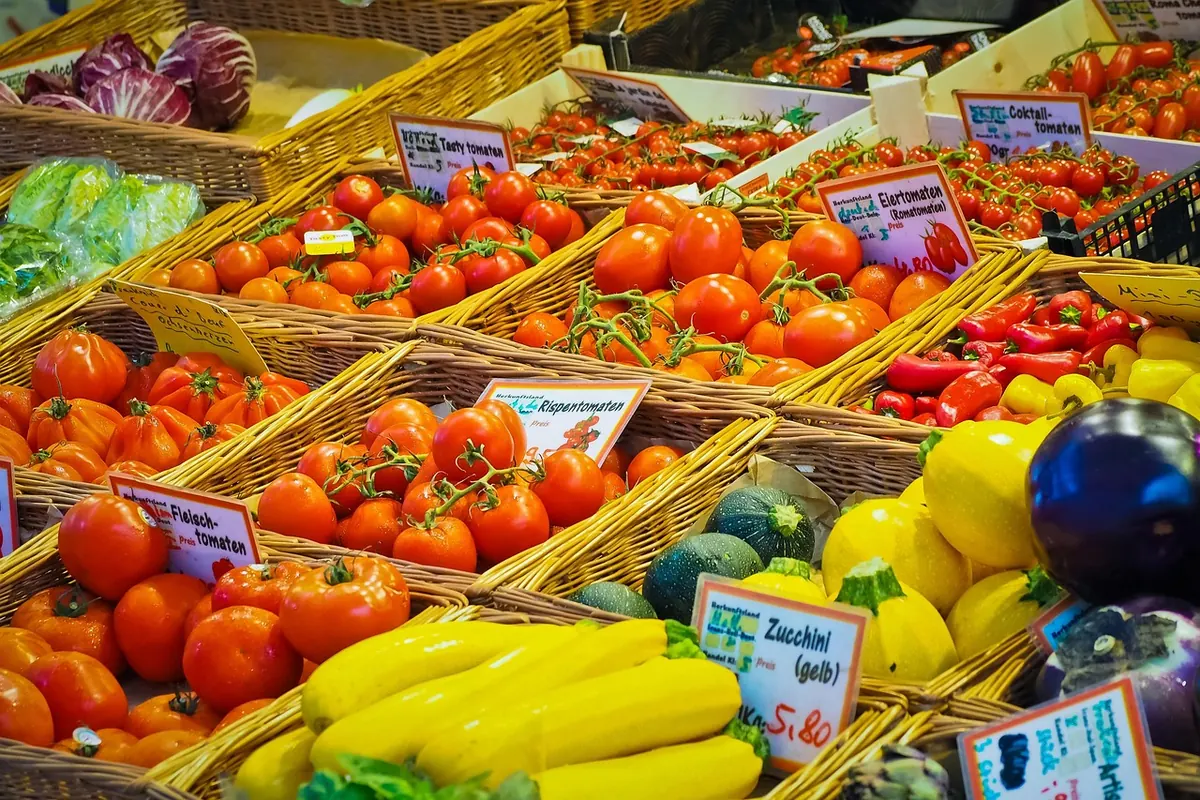
A crate of tomatoes is not a bargain if half of it spoils. Buy what you can use in the next few days, then return for more. If you want to preserve, ask which varieties are best for sauce, freezing, or drying. If you are buying cheese, ask whether it is best eaten fresh or kept for a week. Soft cheeses and fresh dairy are less forgiving than aged wheels.
Plan your purchases around your storage. A cool box in the car is more useful than a long list. A basket that stays in the kitchen is better than a bag that disappears into the boot. And if you find a producer you like, buy a little, take a note of the name, and go back. Regular customers get better information about what is coming next.
Markets, pre-orders, and community channels
Beyond the roadside stand, the weekly market is still one of the best places to learn the local food calendar. Arrive early for choice, but not so early that you are in the way of the set-up. Ask stallholders which days they are in which village; many follow a simple weekly route. Local noticeboards, parish halls, and small associations often carry news of seasonal markets and farm openings that never appear in a tourist leaflet.
If you find a producer you like, ask whether they take pre-orders or have a message list for available products. Many small farms do. A short message the day before can secure a box of eggs, a particular cheese, or a share of the week’s vegetables without turning the transaction into a production line.
Your first direct-buying day: a short checklist
- Check opening hours by phone or message before you drive.
- Bring cash, your own bags, and a cool box in warm weather.
- Start with one or two items and ask what is at its best.
- Buy only what you can store and use; plan a second visit instead of overbuying.
- Write down the producer’s name and what you liked, so you can return with confidence.
That is the whole method: go with the season, ask direct questions, pay fairly, and come back. The Altipiano rewards shoppers who treat its producers as neighbours rather than vending machines.
Photo: 652234 / Pixabay