A weekend on the Altipiano without a car sounds like a compromise until you have done it once. The villages sit close together, the walking starts the moment you step off the bus, and the plateau is small enough that you can cover real ground on foot between two bus rides. What it needs is not a car but a plan: one train, one bus, and an honest idea of how long each leg actually takes. This is how to put that weekend together.
Start with the railway, not the plateau
There is no station up here, and that single fact shapes everything. Your weekend begins in the valley, at one of four towns that work as gateways: Vicenza, Thiene and Bassano del Grappa on the Veneto side, and Trento if you are arriving from the north. Each connects to a different edge of the plateau, so the station you choose decides which village you see first.
Resist the urge to pick the closest dot on the map. Pick the place where the train and the bus actually meet. A twenty-minute train followed by a two-hour wait in a bar near the station is a worse start than a longer ride that puts you at the bus stop ten minutes before it leaves. These timetables are built around commuters and schoolchildren, not visitors, so the connection that looks obvious on paper is not always the one that runs in practice.
What each gateway gives you
- Bassano del Grappa — on the Valsugana line, with services climbing to the northern villages. The natural start if you want Gallio or Asiago.
- Thiene — on the Vicenza–Schio line and the shortest approach from the south.
- Vicenza — the widest choice of trains, but the longest transfer; allow the better part of two hours to reach the top.
- Trento — useful from the north and for the Valsugana side, where the road up through Enego is slow, winding and worth the time.
Whichever you choose, buy your bus ticket before boarding, at a tabacchi, a newsagent or through the operator's app. Drivers sometimes sell tickets and sometimes don't, and finding out which kind of driver you have with a queue behind you is not how you want to start the weekend.
The bus up: what the timetable won't tell you
Before you book a bed, find the last bus down the mountain. Everything else in the day fits around that number. On weekdays the service is dense at breakfast and again in the late afternoon and thin in between; Saturday usually holds up; Sunday is often the weak point of the whole week. Check the Sunday and public-holiday times separately rather than assuming they follow the weekday pattern.
The climb also takes longer than the kilometres suggest. As a rule of thumb, allow around an hour from Bassano or Thiene and closer to two from Vicenza, and add time on winter roads. Take a window seat on the valley side and keep an eye out for the moment the vineyards give way to beech woods and meadows — that is roughly where you have arrived.
Find the last bus down before you plan anything else. Everything in the middle of the day fits around it.
Villages that reward walking
Asiago is the hub and the obvious base: the centre is flat and compact, the bus stops are a few minutes from the main square, and you can walk out of town into open meadow within a quarter of an hour. It is also where you will find the most beds and the longest opening hours, which matters more than charm when you are on foot with a bag.
Gallio sits at the top of the Bassano road and makes a good first stop — small, quiet, with pasture running straight out of the village. Roana and Rotzo further west are slower and emptier, and Rotzo has an archaeological site on its edge that is worth an hour if you like that sort of thing. On the eastern side, Foza and Enego are reached by the slower roads and feel correspondingly removed; Enego in particular rewards anyone who likes a village that has not been tidied up for visitors.
Two walks worth building a day around
The Calà del Sasso is the long stepped mule track that drops from Sasso, above Asiago, down toward Valstagna. It is a serious descent, not a stroll, and it only works if you have checked how you are getting back up — do not commit to it without a return plan.
Closer to town, the walk out toward the old fortifications above Asiago takes a half-day at an easy pace and gives you the plateau at its best: grass, forest edges, and long views without another soul in them.
A realistic shape for the weekend
Two days is enough for one base, two villages and two proper walks. More than that and you will spend the weekend watching the clock.
- Friday evening: train to your valley gateway, sleep near the station. It costs you one night but buys you a full Saturday.
- Saturday morning: first or second bus up. Drop the bag, walk the village, eat lunch.
- Saturday afternoon: a short walk from the door — two to three hours, back before the light goes.
- Sunday morning: one bus ride to a second village, then walk the loop you came for.
- Sunday afternoon: return to the base, collect the bag, take the bus down with a margin of at least one service to spare.
That last point is the one people get wrong. Buses fill up on Sunday afternoons, and a full bus means the next one, which may be an hour away or may not exist. Give yourself a buffer and the weekend ends calmly.
Where to sleep, and the small things that matter
Book in Asiago's centre or in a village that sits directly on the bus line, and ask how far the stop really is. Plenty of accommodation along the main roads looks close on a map but means a twenty-minute walk on a road with no pavement in the dark. Summer weekends, snow weekends and any local festival will fill the plateau with people from the cities, so book early rather than hoping.
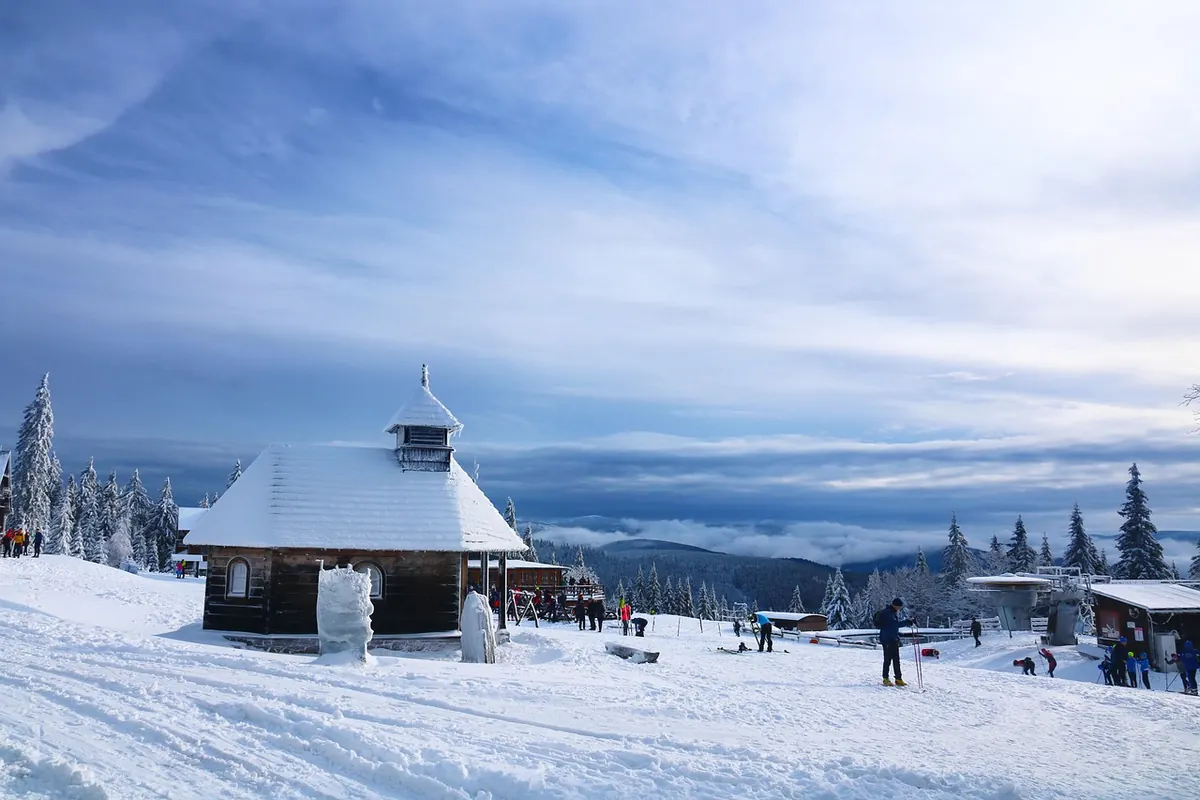
Lunch runs roughly from half past twelve to half past two, dinner starts around half past seven, and shops still close at midday. Carry water — there are fountains in every village — and pack for a place that sits around a thousand metres up, where evenings are noticeably cooler than the valley you left. Check the forecast the morning you travel; mountain weather turns faster than the bus timetable does.
Your checklist before you go
Write down four things and the weekend plans itself: the last bus down, the first bus up, the phone number of your accommodation, and the name of the stop nearest your bed. Save screenshots of the timetables, since coverage on the plateau is patchy in places and a bus stop is a bad place to discover you have no signal.
Then leave the rest loose. The pleasure of being here without a car is that you are not chasing car parks or driving home in the dark. You walk until you are ready, you catch the bus, and the mountain does the rest.
Photo: htb888 / Pixabay