Booking a few nights on the Altipiano should feel like the easy part: choose a room, check the dates, pay, start planning walks. In practice, the small details decide whether the stay is restful or fiddly. The mistakes below are common not because visitors are careless, but because mountain accommodation is often run by families, spread across small villages, and shaped by weather and season. A few questions before you pay can save a lot of guesswork later.
Choosing a Location by Map Pin Instead of Daily Life
A pin on a map tells you distance. It does not tell you whether the road between the pin and the village is a gentle ten-minute stroll or a steep climb with no pavement. It also does not tell you whether the nearest bar closes in October, or whether the “centre” you booked beside is a cluster of farm buildings rather than a place with a shop.
Visitors often book the cheapest room on the edge of the Altipiano, then discover that every dinner involves a drive. That can be fine if you have a car and don’t mind dark mountain roads. It is less fine if you imagined walking to breakfast.
Before booking, read the address slowly. Open the map in satellite view as well as street view, if available. Ask the host three plain questions: What is within a five-minute walk? Is the road to the property paved all the way? Where do guests usually eat in the evening? The answers will tell you more about daily life than a photo of a balcony.
Check the last kilometre
The last kilometre matters most. A property can be close to a village and still sit at the end of a narrow lane, up a steep driveway, or behind a gate that is awkward to find after dark. If you are arriving late, ask for clear arrival instructions in writing, including where to park and what to do if the office is closed.
Assuming the Last Stretch Is Simple
Access is the section visitors skim. In summer, a rough track is an adventure. In winter, the same track can be the reason you abandon the car at the bottom. Snow, ice, mud, and low clearance all change the calculation. So does the type of car you drive and whether you are comfortable putting on chains.
Do not rely on a booking platform’s generic note that “parking is available.” Ask what kind of parking: private garage, reserved space, shared lot, roadside spot, or a short walk away. If you have mobility needs, say so directly and ask about steps, door widths, bathroom layout, and whether the path from parking to the entrance is level. Hosts are usually practical people; a clear question gets a clear answer.
Questions worth asking before you book
- Is the road to the property paved and cleared in winter?
- Is parking on site, and is it covered or open?
- How many steps are there between the car and the room?
- Is there a lift, or only stairs?
- Can I arrive after dark, and how do I collect the key?
- Does the property sit on a bus route, and does that route run in my travel period?
If a host cannot answer these questions, that is useful information. It may simply mean they are busy. It may also mean the access is more complicated than the listing suggests.
Confusing “Open for the Season” With “Everything Running”
Seasonal closures catch visitors out because they are rarely announced in a single place. A hotel may be open, but its restaurant may serve only at weekends. A village may be lively in August and quiet in November. A lift, a museum, a farm shop, or a bus service may stop before the accommodation does. The listing can be technically accurate and still leave you with fewer options than you expected.
This matters most in the shoulder months. If your trip depends on a particular activity — a cable car, a weekly market, a swimming spot, a restaurant you remember from a previous visit — check directly with the provider, not just the accommodation. Opening days change with weather and staffing. A quick message a week before arrival is normal and welcome.
Ask your host what will be open in the village during your dates. Then ask what is closed. The second question often produces the more honest answer. If you are travelling for peace and quiet, a closed season can be perfect. If you expect evening meals within walking distance, you need to know before you pay.
Treating the Deposit as a Formality
Deposits are where enthusiasm can override caution. A request for a bank transfer to a personal account is not automatically a problem in a small local market, but it deserves attention. Before sending money, confirm the property’s full name, address, and the person you are dealing with. Ask for a written confirmation that states the total amount, the deposit amount, the balance due date, and the cancellation terms.
Be wary of pressure to pay the full amount immediately, especially if the request arrives through a messaging app rather than the booking channel you started with. Keep your communication in one place where possible. If you move to email or a messaging app, save the messages. Use a traceable payment method and keep the receipt. Avoid sending cash or paying an unfamiliar third party without a clear explanation.
Payment habits that protect you
- Get the cancellation and refund terms in writing before you pay.
- Check whether the deposit is refundable, and under what conditions.
- Confirm whether local tourist tax, cleaning fees, or heating costs are included.
- Ask for the balance payment method and due date in advance.
- Keep a copy of the booking confirmation, payment receipt, and arrival instructions.
If a payment request feels unusual, slow down. Ask for written terms and, where money or contract conditions are unclear, seek advice from a qualified professional. A legitimate host will not mind a careful question. A vague answer is a reason to pause.
Leaving the Small Print Until Arrival
Small print is not only about money. It is also about time. Check-in windows can be narrow, especially when the host lives elsewhere or runs a farm. A late arrival may be possible, but it may need arranging days ahead. Pets may be accepted in one room but not another. A kitchen may be shared, or available only in certain seasons. Mobile signal can be patchy, which matters if you rely on maps or messages.
Read the listing twice: once for what it says, and once for what it does not say. Then ask about the gaps. If you need reliable internet for work, ask for a speed test or a plain description of what usually works. If you need a quiet room, ask whether it faces the road or the restaurant terrace. If you are travelling with a dog, confirm the rules in writing rather than assuming “pet-friendly” means “any size, any room.”
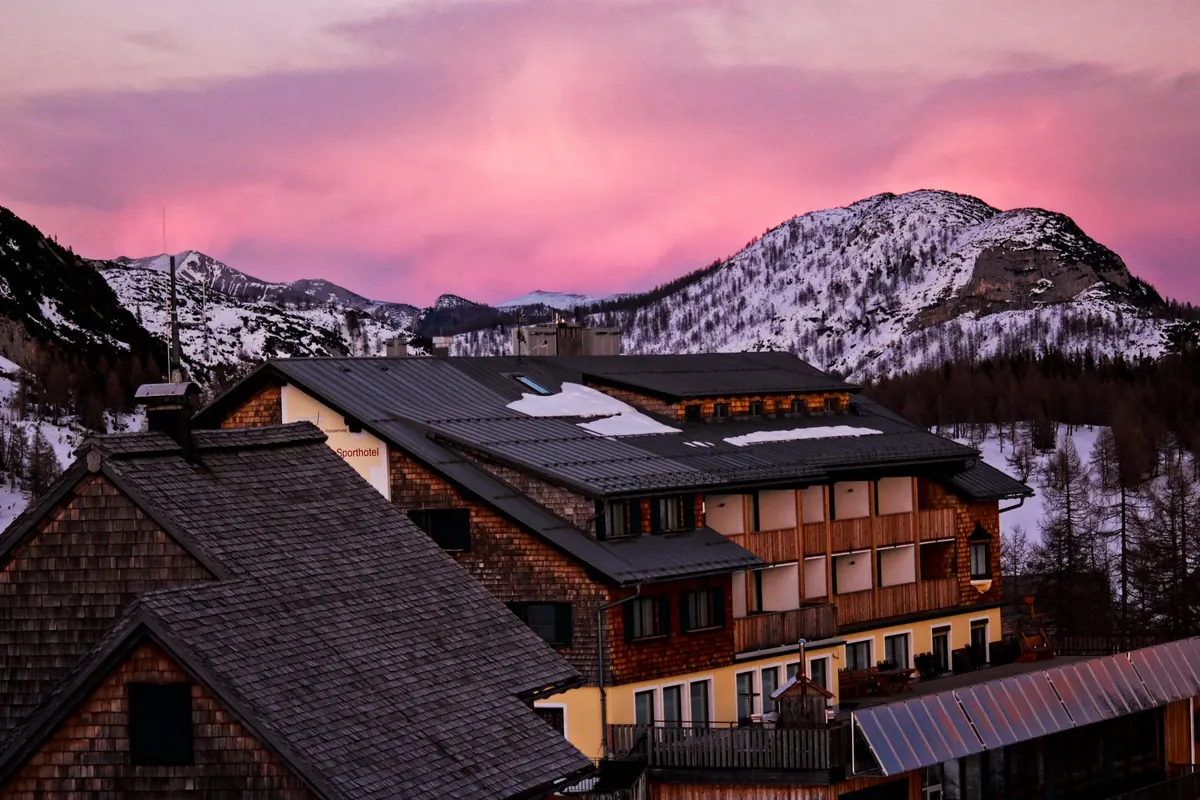
Photos deserve a second look too. A wide-angle shot can make a small room feel generous. A pool may be closed outside summer. A balcony may overlook a car park. None of this is deceit; it is marketing. Your job is to match the photos to your actual plans.
A Practical Closing: Confirm, Keep Records, Ask Again
Good bookings are boring in the best way. You know where you are sleeping, how you will arrive, what will be open, and what you have paid. Before you confirm, send one short message with your arrival time, your access needs, and any questions about the deposit. Keep the reply. Save the address offline. Check the weather forecast before you travel and ask your host what local conditions are like on the road.
If something changes, speak up early. Hosts on the Altipiano are used to weather and seasons; they can often suggest a different route, a nearby parking spot, or a restaurant that is actually open. The aim is not to interrogate every listing. It is to replace assumptions with a few confirmed facts. That is usually the difference between a booking that looks fine on paper and a stay that feels easy from the moment you arrive.
Photo: Bence Csonka / Pexels