Two shops stand twenty metres apart on the same street. Both have wooden shelving, a decent wedge of local cheese, and a window dressed to catch the eye of anyone walking past. One has belonged to the same family for three generations. The other opened in May, will close in October, and answers to a company with shops in four regions. From the pavement they can look almost identical, which is exactly why it is worth learning to read the difference. It matters for your wallet, for the villages that stay alive through the winter, and for the small pleasure of buying something from the person who actually chose it.
Start With the Words, Not the Woodwork
A weathered sign is not automatically a family business, and a new one is not automatically a chain. Family shops do renovate, sometimes with help from a regional scheme, and a fresh coat of paint says nothing about ownership. What the sign says is a better clue.
Look for a surname doing the work: F.lli, di followed by a person's name, a shop named after a street, a square, or a house that no visitor would know. Look at the second line of smaller lettering, the one a brand consultant would delete. Family-run places keep listing services because their customers still need them: photocopies, repairs, home delivery, a key-cutting notice, a fax number in the old format, a mobile number written on a strip of tape. That strip of tape is a small piece of evidence.
Boutiques tend to be more curated in language: short English taglines, an abstract logo, a font chosen to look like a stamp, a handful of words about craft and tradition without a name attached. None of this is dishonest. It is simply aimed at someone who is passing through rather than someone who lives up the road.
A Window That Changes With the Week
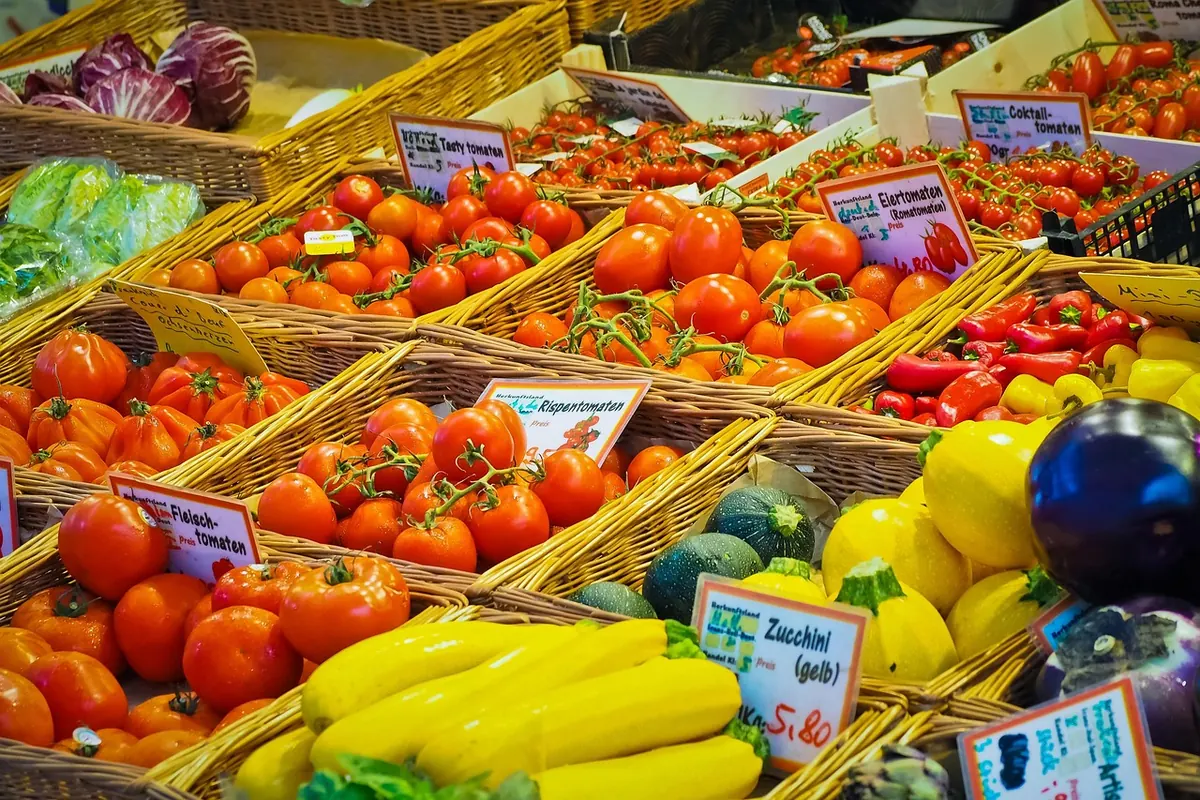
The window is where the two kinds of shop part company most plainly. A family shop treats its window as a working surface. The display follows what arrived that morning: a tray of mushrooms in October, a pyramid of oranges in January, a basket of the first cherries with a price card written in marker, corrected once, the correction still legible.
Then there is everything else that quietly accumulates there — a parish notice, a poster for the village choir, a hand-written card thanking customers for their patience during a family funeral, a photograph of a local team. Nobody designed it. Somebody taped it up on a Tuesday.
A tourist boutique, by contrast, holds a display for weeks or months. Props appear: dried branches, an old wooden churn, a length of linen. Prices are either absent altogether or rounded into a neat row. Nothing in the window looks as if it was carried in from a van that morning.
Depth Over Breadth on the Shelves
Walk in and look at how the stock is shaped. Family businesses are usually narrow and deep. They may sell fourteen kinds of one thing because their customers argue about which is best, and because the owner has an opinion. The hardware shop has single screws in wooden drawers and the exact washer you need for a leaking tap. The grocer keeps three grades of polenta flour, a chest freezer of peas, and a shelf of decidedly unfashionable essentials nobody advertises.
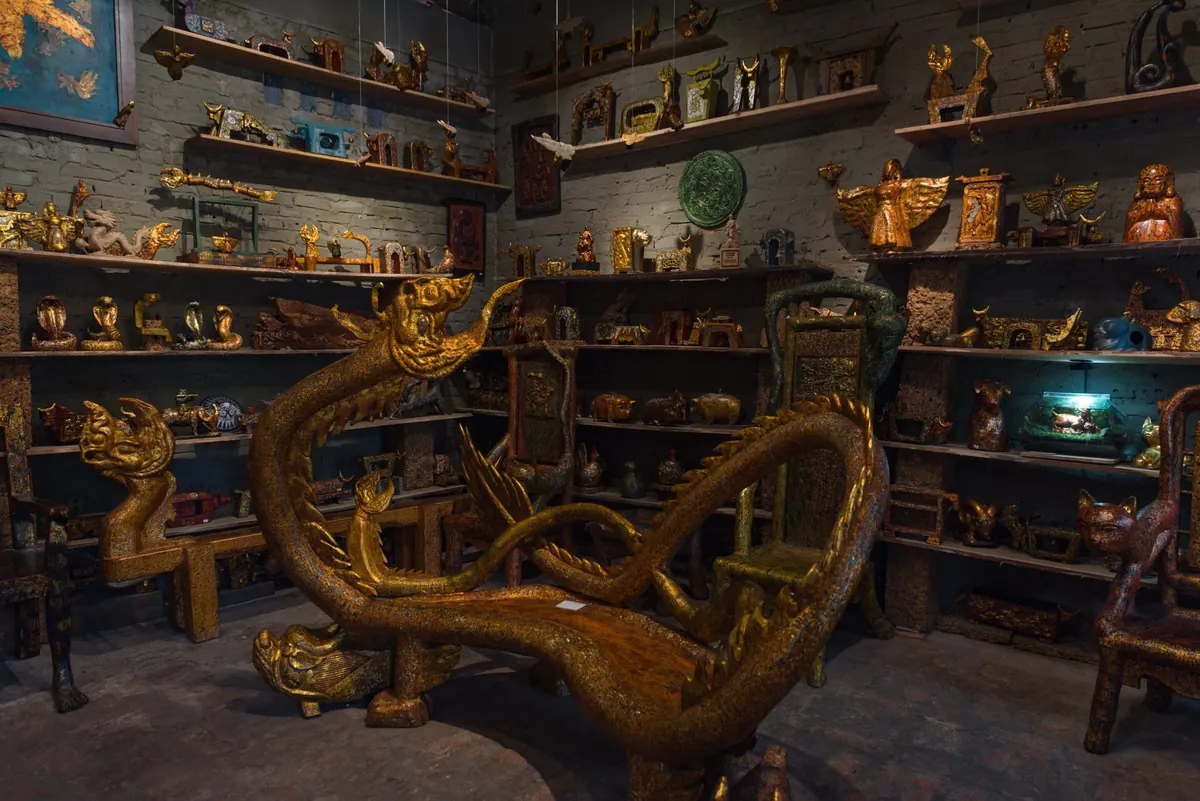
A tourist-facing shop is wide and shallow. One cheese, one honey, one wool blanket, one small jar of something with a mountain on the label. Everything is beautifully packaged and nothing is sold in bulk, because the point is the object as a gift or a souvenir rather than the weekly shop. Ask yourself the plain question: who is expected to come back for this next month?
Neither model is a swindle. But if you want to know where your money lands, this is the fastest way to find out.
Hours Have a Personality
A timetable is one of the most honest things about a shop. Family businesses keep hours built around a household: a long midday closure, an early finish on the quiet afternoon, a half-day that shifts with the season. They close for a patron saint's day, for a family wedding, for the week of haymaking. When something happens, a sheet of paper goes up in pen and the regulars read it and adjust.
Seasonal boutiques run on the visitor calendar instead. Long, continuous, seven-day hours from spring to autumn, translated into several languages on a printed plate, then shutters down in November. That pattern is not suspicious in itself — it is simply a different business answering to a different rhythm.
- The February test. Walk the same street out of season. Whoever is open in the cold is serving people who live there.
- The honesty test. A family shop is usually open when it says it is, because the person who wrote the sign is the person who has to unlock the door.
- The staffing test. If the same two faces appear every time you pass, across months and seasons, you are probably looking at owners rather than a rota.
The Counter Conversation
Ask a question and listen to the shape of the answer. In a family shop, a question often comes back as another question — what are you making, how many people, do you want the sharper one or the softer one. The reply may include where the cheese was made, which of the two loaves is from yesterday, and a frank recommendation to try the place behind the church because they have run out. Sending a customer to a competitor is not a strategy. It is what people do when the shop is their name.
In a boutique, the answers tend to be polished and general, and the questions turn to shelf life, packaging and whether it survives a flight. That is useful information, delivered by someone doing a job well. It is just a different conversation, and it rarely ends with a name.
A Quick Field Checklist
If you only have thirty seconds outside the door, run through this:
- A surname, a nickname, or a house name on the sign.
- Small services listed underneath: repairs, delivery, photocopies, keys.
- A window with handwritten prices and village notices mixed into the display.
- Few categories, many varieties within each one.
- Unfashionable basics sitting next to the specialities.
- Hours with a gap in the middle and a hand-written note on the door.
How to Shop Well Once You Have Found One
Buy something small even if you came in only to look — a piece of cheese, a packet of biscuits, a box of screws. Ask what is good this week and take the answer seriously. Respect the closing day; a shop that shuts on Thursday afternoon is not being difficult, it is being run by two people who also have a house to look after. If you are taking photographs of the shelves, ask first. Cash is still welcome in many small places, and it saves a card fee that comes straight out of a thin margin.
Then go back. The most useful thing a visitor can do for a family business on the Altipiano is to return in a different season, when the shutters along the street are mostly down, and be recognised. That is the whole difference in one gesture, and you will not need to read a single sign to notice it.
Photo: Zotx / Pixabay